Consistent caregiver matching, not a rotating cast
The same aide learns a client's routines and patterns, which is what makes them notice when something is off.
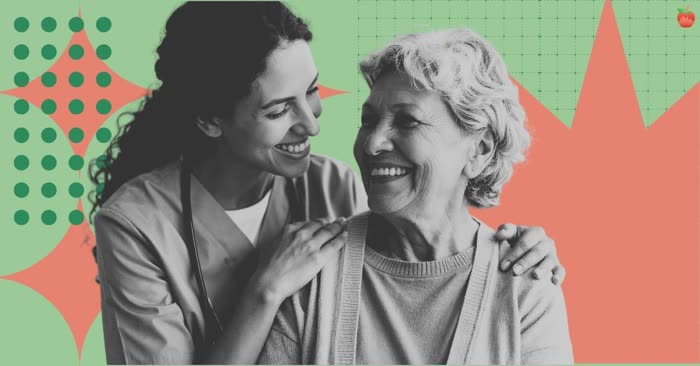
Certified Home Health Aides supporting daily living — across Manhattan, Brooklyn, Queens, Staten Island, The Bronx, and Westchester.
Home Health Aides provide hands-on daily support — hygiene, mobility, safety — for clients who need more than occasional help but not full clinical care. For many families, the same familiar aide becomes the reason a loved one can keep living at home.
Our aides are certified under New York State training standards and supervised by our clinical team, so families get a consistent caregiver with real oversight behind them.
“The relationship an aide builds over months is often worth as much as the tasks they perform.”
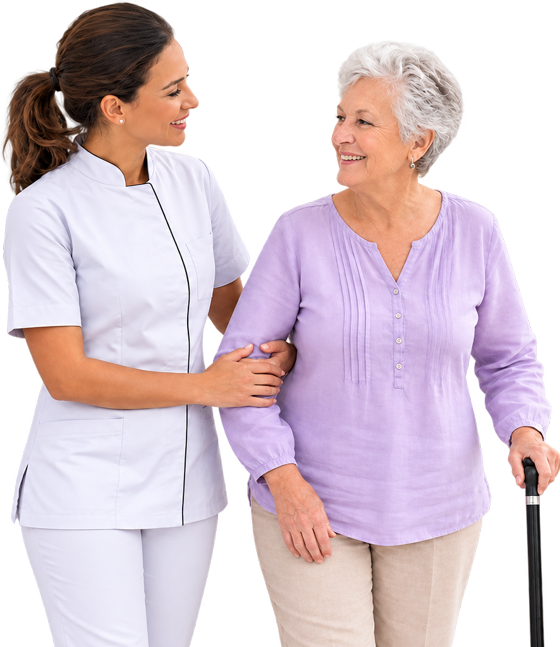
Every care plan is built around the person. These are the areas a City Choice Home Health Aide covers.
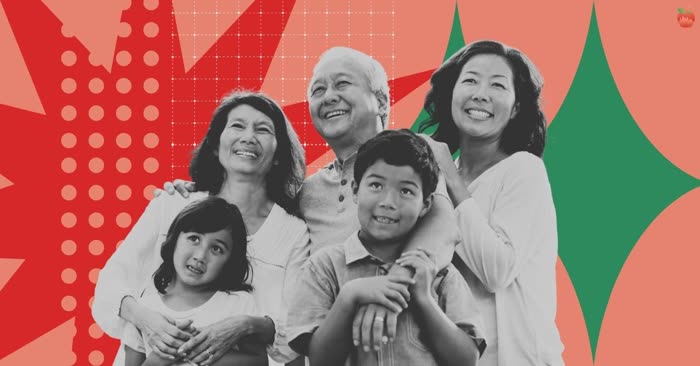
A fit for seniors managing age-related frailty, recovery from a fall or illness, or early-stage memory changes — anyone who needs consistent daily support, not intensive medical care.
It's also a common step down from skilled nursing once clinical needs stabilize, and a sensible option for families planning ahead rather than waiting for a crisis.
Our aides support age-related frailty, recovery from a fall or fracture, early-to-moderate dementia, arthritis and other joint mobility limits, and the after-effects of stroke that don't require ongoing clinical nursing.
We also support clients living alone with little daily contact, and families coordinating a loved one's care from another borough or another state.
A phone call or a free in-home consultation, covering daily routine, specific needs, and preferences — including language and cultural fit.
We prioritize consistency: the same aide wherever possible, so your loved one builds a real relationship instead of adjusting to a new face.
We flag what our aides notice and scale support up or down as things evolve.
No waiting for a formal review to change the plan — we respond as needs actually change.
The same aide learns a client's routines and patterns, which is what makes them notice when something is off.
A skilled aide who isn't the right fit often doesn't work out. We spend real time on the person, not just the task list.
Even non-medical daily support is delivered inside a framework of real oversight, not left to an aide working alone.
Home Health Aides are certified to assist with certain healthcare-related tasks in addition to personal care; Personal Care Aides focus on non-medical daily living support. Your coordinator can help determine which fits.
Whenever possible, yes — consistency helps aides notice changes early.
Yes — just let us know your preference during your consultation.
From a few hours a week to live-in or 24-hour care, depending on needs and funding.
In many cases yes, typically through a Managed Long-Term Care plan. We can walk you through eligibility.
One of our coordinators will visit your loved one's home and help you find the right level of support — free, no obligation.

Skilled, gentle care for infants, children, and teens with medical needs — delivered at home.
Explore Pediatric Care
Compassionate help with daily living at home — personal hygiene, dressing, feeding, and familiar companionship.
Explore Personal Care Aides
Licensed RN and LPN care at home — wound care, medication management, and chronic condition monitoring.
Explore Skilled Nursing